War With Iran: What It Means for Britain’s Security, Economy and Strategic Future
The outbreak of open conflict with Iran on 28 February 2026 marks one of the most significant geopolitical escalations in recent years. While the United Kingdom did not directly participate in the initial strikes, it is neither distant nor insulated from the consequences. Britain now faces a multi-layered test of military readiness, economic resilience and alliance diplomacy.
This is not simply a regional crisis unfolding far from British shores. It is a structural stress test for the UK’s defence posture, its exposure to global energy markets, and its role within NATO. The implications are immediate and strategic.
Britain’s Military Footprint in the Region
The UK maintains a forward military presence across the Middle East. These deployments are defensive in nature, but they place British personnel and infrastructure within range of escalation should hostilities expand.
Air Power and Rapid Response
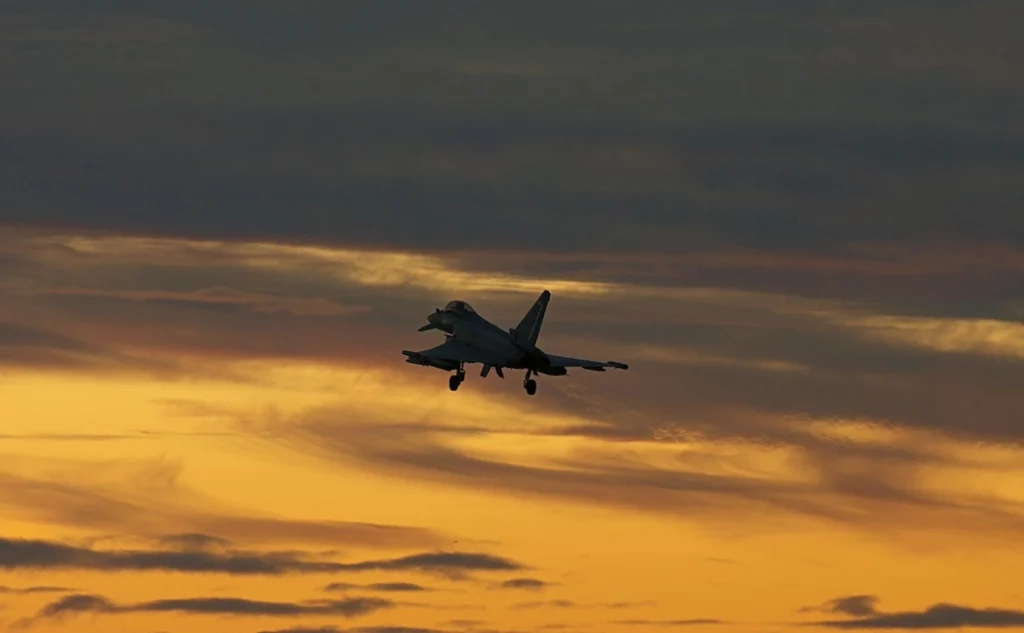
RAF Akrotiri in Cyprus functions as Britain’s primary air operations hub for the region. From this base, Typhoon and F-35 aircraft can conduct surveillance, deterrence patrols, and defensive operations. Operational support in Qatar further extends British air capability into the Gulf.
In a deteriorating security environment, Britain would need to reinforce:
- Air defence systems against missile or drone threats
- Intelligence, surveillance and reconnaissance coverage
- Force protection measures for deployed personnel
These measures are preventative rather than escalatory, but they are critical to safeguarding British forces.
Maritime Exposure and the Strait of Hormuz
The Royal Navy maintains support facilities in Bahrain and access to logistics infrastructure in Oman. These positions underpin maritime security operations in and around the Strait of Hormuz — a strategic chokepoint through which a significant portion of global oil exports pass.
Any disruption in this corridor would have immediate global consequences. Britain’s responsibilities would likely include:
- Naval escort operations for commercial vessels
- Mine countermeasure deployments
- Coordination with allied fleets to ensure freedom of navigation
Maritime stability in the Gulf is not abstract. It is directly connected to fuel prices, supply chains and economic confidence in the UK.
The 30-Day Economic Risk Window
Wars in energy-producing regions tend to generate immediate price volatility. Even the perception of disruption in the Strait of Hormuz can push oil prices upward. Britain, integrated into global pricing systems, would feel this impact rapidly.
The economic transmission mechanism is predictable:
- Oil prices rise
- Fuel costs increase
- Transport expenses climb
- Food and consumer prices follow
- Inflation pressure intensifies
Energy volatility is not regional. It is an inflation multiplier.
For households, this could mean renewed cost-of-living pressure. For businesses, particularly those reliant on logistics and manufacturing, margins may tighten. Financial markets are equally sensitive. Increased geopolitical risk typically raises borrowing costs and dampens investor confidence.
The Bank of England would face a complex balancing act: containing inflation without choking economic growth.
NATO and European Security Dynamics
As a leading NATO member, Britain must navigate alliance politics carefully. The conflict does not automatically trigger collective defence obligations, but political alignment within the alliance becomes critical.
European states are likely to differ in tone and approach. Some favour restraint and de-escalation; others lean toward firmer strategic alignment with Washington. Britain must balance solidarity with caution.
The broader risk lies in strategic distraction. European security priorities in Eastern Europe and elsewhere could be diluted if attention and resources shift heavily toward Middle East contingencies.
Domestic Security Considerations
Escalation abroad often increases vigilance at home. The UK may need to strengthen domestic security measures in several areas:
- Enhanced monitoring of critical infrastructure
- Cyber defence against potential retaliatory activity
- Protective security for diplomatic and transport hubs
- Energy resilience planning and reserve coordination
These steps are precautionary, but in modern conflict environments, hybrid and cyber dimensions can accompany kinetic warfare.
The Strategic Reality for Britain
Britain is not leading the war effort, yet it is deeply interconnected with the strategic and economic systems affected by it. Military exposure in the Gulf, energy market sensitivity, and NATO alliance dynamics converge into a single challenge: resilience.
The defining question is not whether Britain is involved. It is how prepared Britain is to absorb external shocks without overextending itself militarily or economically.
The coming weeks will determine whether this conflict remains contained or expands. In either scenario, the UK must demonstrate disciplined defence posture, economic foresight, and diplomatic steadiness.
Preparedness, not reaction, will define Britain’s position in this unfolding crisis.


